The Integration of Live Dealer Features in Austrian Digital Gambling Experiences
Hugo Russell · Oct 25, 2026
The Integration of Live Dealer Features in Austrian Digital Gambling Experiences
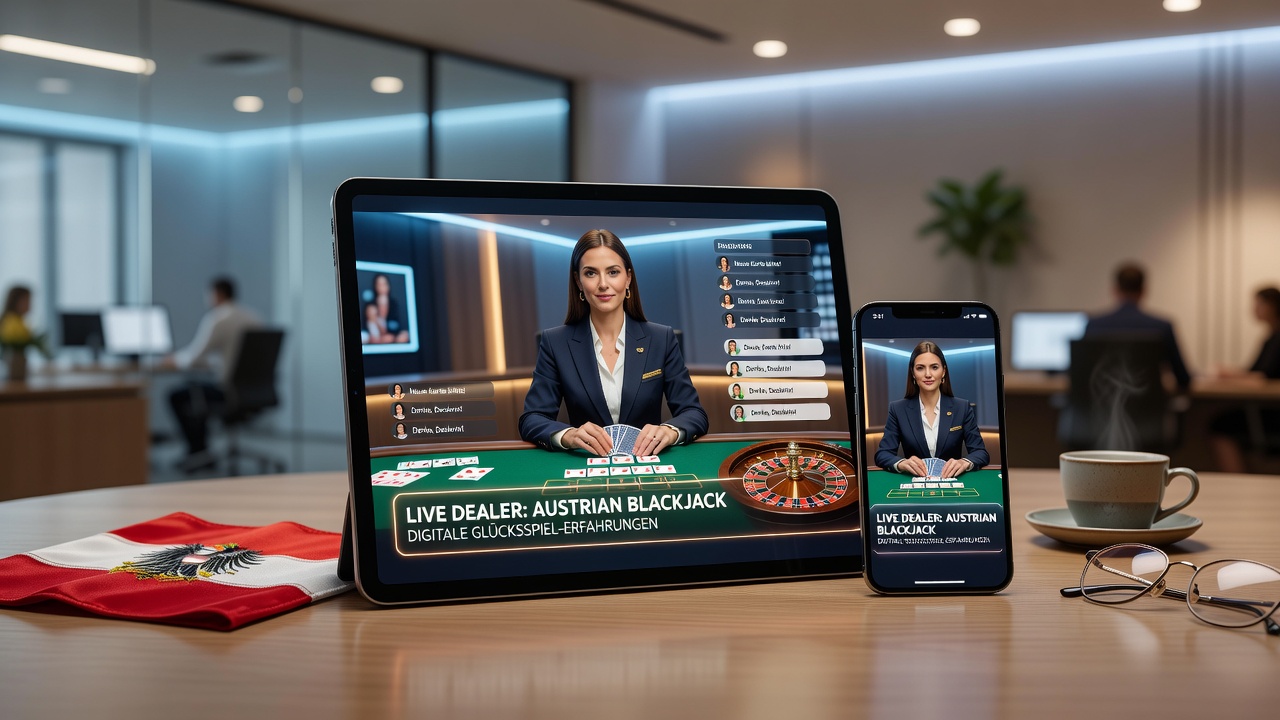
Live dealer features have become a standard component in Austrian digital gambling platforms as operators blend real-time video streams with interactive interfaces, and this shift accelerated through 2025 into October 2026 when several licensed sites updated their software to support higher resolution feeds and multi-camera angles for games such as roulette, blackjack, and baccarat.
Operators integrate these features by connecting players to physical studios located in Malta or other EU jurisdictions where gambling licenses permit live broadcasts, while Austrian regulations require that all such streams comply with local licensing rules administered through the federal framework established under the Glücksspielgesetz, and data from the European Gaming and Betting Association shows that live dealer traffic on Austrian-facing sites increased by 28 percent between 2024 and 2026.
Technical Implementation Across Platforms
Platform providers rely on low-latency encoding and dedicated servers positioned within European data centers to minimize delays for users in Vienna, Graz, and other major cities, and this setup allows Austrian players to place bets through mobile apps or desktop interfaces while watching a human dealer shuffle cards or spin wheels in real time. Multiple camera feeds switch automatically based on game progression, and chat functions enable direct interaction with the dealer, yet all transactions route through secure payment gateways that align with Austrian banking standards.
Software providers such as Evolution Gaming and Playtech supply the core technology that Austrian operators license, and integration typically involves API connections that synchronize the live video with the random number generator backups required by local oversight bodies. In October 2026 several platforms rolled out enhanced mobile compatibility that supports vertical video orientation, and this change addressed the growing share of traffic originating from smartphones.
Regulatory Context Shaping Live Dealer Availability
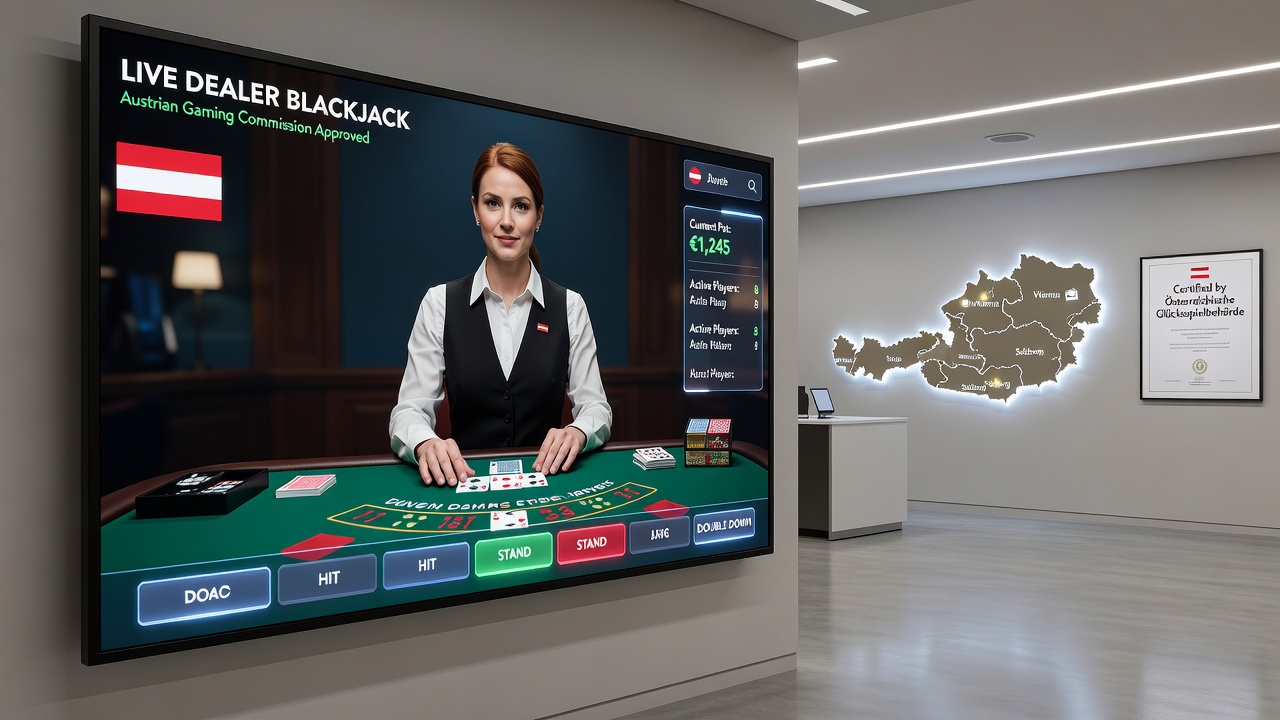
Austrian authorities maintain strict controls on which operators may offer live dealer games to residents, and only those holding concessions from the federal monopoly or approved private licenses can stream content that includes real-time human interaction. Compliance checks focus on age verification, responsible gambling tools, and data protection measures that meet GDPR requirements, and operators must report live dealer session volumes as part of their quarterly submissions.
These rules create a clear boundary between domestic platforms and unlicensed international sites, and figures released through EU digital market monitoring indicate that licensed Austrian portals captured approximately 65 percent of live dealer activity among domestic users by mid-2026. Cross-border operators adapt by geo-blocking Austrian IP addresses unless they secure proper authorization, which limits the range of available studios for local players.
Player Engagement Patterns and Game Selection
Live dealer blackjack and roulette remain the most frequently accessed titles on Austrian platforms according to aggregated session data, while baccarat and poker variants attract smaller but consistent audiences. Players often combine live sessions with standard digital slots during the same login period, and operators track these hybrid patterns to adjust promotional offers that include cashback on live table losses.
Session lengths for live dealer games average longer than those recorded for fully automated titles, and this difference stems from the social elements introduced by dealer conversations and shared table dynamics. In October 2026 analytics from several major Austrian-facing sites revealed that peak usage occurs between 8 p.m. and midnight Central European Time, coinciding with prime-time viewing habits.
Challenges in Bandwidth and Accessibility
Rural regions of Austria sometimes experience higher latency during live dealer sessions because of variable broadband speeds, and operators respond by offering lower-resolution stream options that maintain functionality on slower connections. Device compatibility testing continues as new smartphone models enter the market, and developers update their applications to handle the additional processing demands of simultaneous video decoding and bet placement.
Accessibility features such as subtitle options for dealer announcements and adjustable interface scaling have been added to several platforms to serve a broader demographic, and these modifications align with broader EU digital accessibility directives that took fuller effect in 2025.
Conclusion
Live dealer integration continues to evolve within Austrian digital gambling as technology providers refine streaming quality and regulatory bodies maintain oversight through established licensing channels, and the developments observed through October 2026 reflect a steady expansion of real-time interactive options that operate alongside conventional digital formats. Data from industry reports and regulatory filings shows consistent growth in session volumes while highlighting the importance of compliance frameworks that balance innovation with consumer protections.