Decoding Retention Tactics Through Tiered Loyalty Structures at Austrian Digital Card Rooms Beyond Standard Bonus Codes
Hugo Russell · Sep 27, 2026
Decoding Retention Tactics Through Tiered Loyalty Structures at Austrian Digital Card Rooms Beyond Standard Bonus Codes
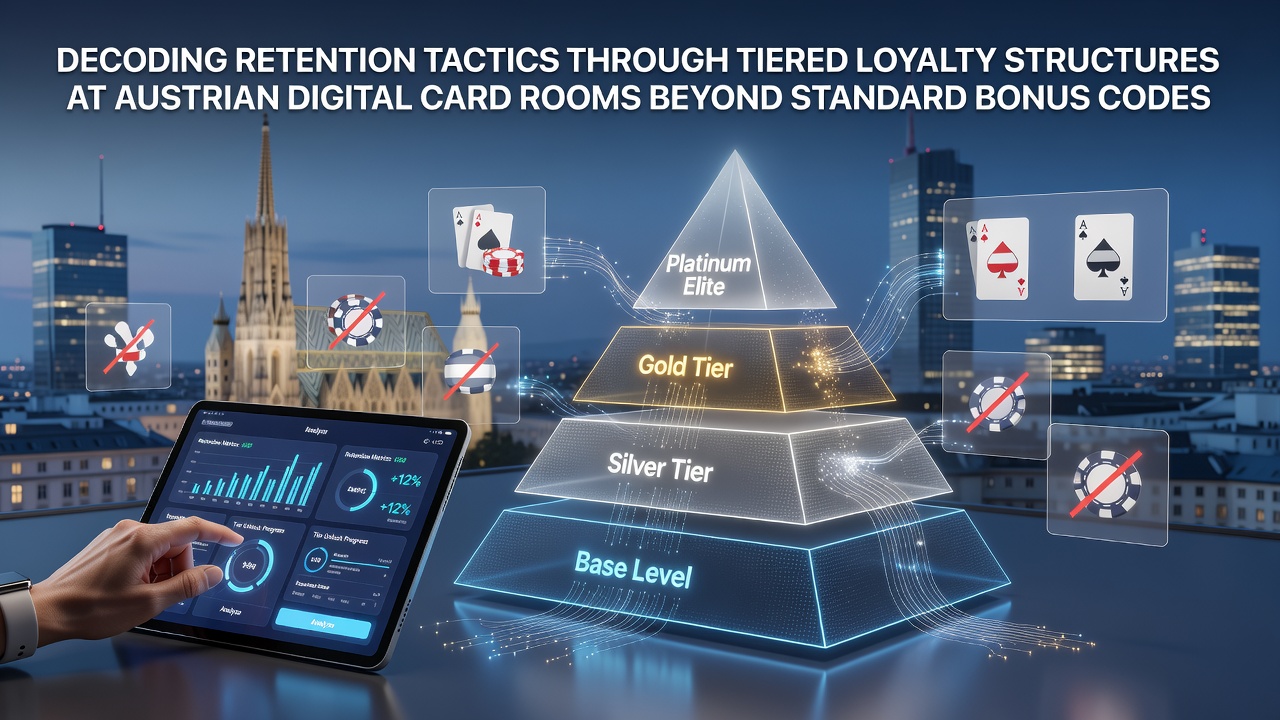
Data from Austrian operators shows that digital card rooms have expanded retention efforts through multi-level loyalty frameworks which assign players to progressive tiers based on activity metrics such as hands played, rake contributed, and session frequency; these systems replace one-time bonus codes with ongoing reward ladders that unlock benefits at each stage. Observers note that basic entry tiers often grant standard cashback percentages while mid and upper levels deliver accelerated point multipliers, priority tournament entries, and personalized account management services that extend player engagement across months rather than single promotions.
Mechanics of Tier Progression in Austrian Platforms
Platforms calculate tier status through rolling windows that track cumulative play over thirty to ninety days, and players advance when they reach defined thresholds; this structure creates sustained participation because dropping below a tier requires reduced activity over the same period. Research indicates that upper tiers frequently include dedicated rake races, exclusive sit-and-go events, and merchandise packages that standard bonus codes never provide, while lower tiers focus on volume-based cash returns and reload opportunities that encourage consistent logins.
Operators integrate these tiers with real-time dashboards so participants monitor progress without external tools, and the transparency helps maintain momentum because visible advancement metrics reduce uncertainty about reward eligibility. Figures from industry tracking reveal that September 2026 updates to several Austrian platforms introduced dynamic tier resets tied to seasonal tournaments, allowing players who maintain activity through summer months to carry partial progress into the new cycle rather than starting from zero.
Differentiation from Traditional Bonus Code Approaches
Standard bonus codes deliver fixed deposit matches or free spins that activate once and expire quickly, whereas tiered loyalty structures distribute smaller incremental rewards that accumulate only through repeated engagement; this distinction shifts the focus from acquisition spikes to retention curves. Experts have observed that loyalty points often convert into multiple reward types including tournament tickets, cashback at tier-specific rates, and status symbols such as custom avatars or leaderboard recognition that bonus codes cannot replicate.

According to reports from the Austrian Federal Ministry of Finance on gambling market statistics, loyalty frameworks have grown in adoption since regulatory adjustments emphasized player protection measures that favor gradual reward systems over large upfront incentives. One analysis from the Canadian Institute for Gaming Research found similar patterns in other regulated markets where tiered programs correlated with longer average player lifespans compared with code-only promotions.
Integration with Platform Features and Player Data
Digital card rooms combine loyalty tiers with behavioral data to adjust reward delivery, and algorithms identify when players approach tier thresholds to trigger targeted communications that highlight remaining requirements. This approach relies on consent-based tracking that complies with Austrian data protection rules while still enabling operators to maintain engagement through timely nudges rather than generic mass emails.
Additional layers include partner integrations where tier status grants discounts at affiliated services such as training sites or equipment vendors, creating an ecosystem that extends value beyond the card room itself. Data shows that players who reach higher tiers often participate in more varied game formats because the structure rewards overall activity instead of concentrating on single poker variants.
Regulatory Context and Market Trends Through 2026
Austrian licensing conditions require clear disclosure of how loyalty points convert to rewards, and operators must provide opt-out options that prevent automatic tier enrollment; these rules create standardized transparency across platforms even as the internal mechanics differ. Industry reports indicate that by September 2026 several major Austrian digital card rooms had aligned their tier structures with upcoming EU-wide responsible gambling guidelines that encourage reward systems tied to sustainable play patterns rather than volume alone.
Platform analytics further demonstrate that tiered programs reduce reliance on external traffic sources because existing players generate referrals through status-based incentives that encourage community sharing of achievements.
Conclusion
Tiered loyalty structures in Austrian digital card rooms operate through measurable activity thresholds that deliver layered rewards beyond the scope of single-use bonus codes, and regulatory oversight ensures disclosure while market data tracks their role in extending player retention periods. Continued refinement of these systems through 2026 reflects alignment with both player behavior patterns and compliance requirements that shape the Austrian online gaming sector.