Austria's Evolving Glücksspiel Framework and Its Direct Influence on Poker Platforms Plus Casino Bonus Structures from Operators Like Bwin and William Hill
Hugo Russell · Aug 18, 2026
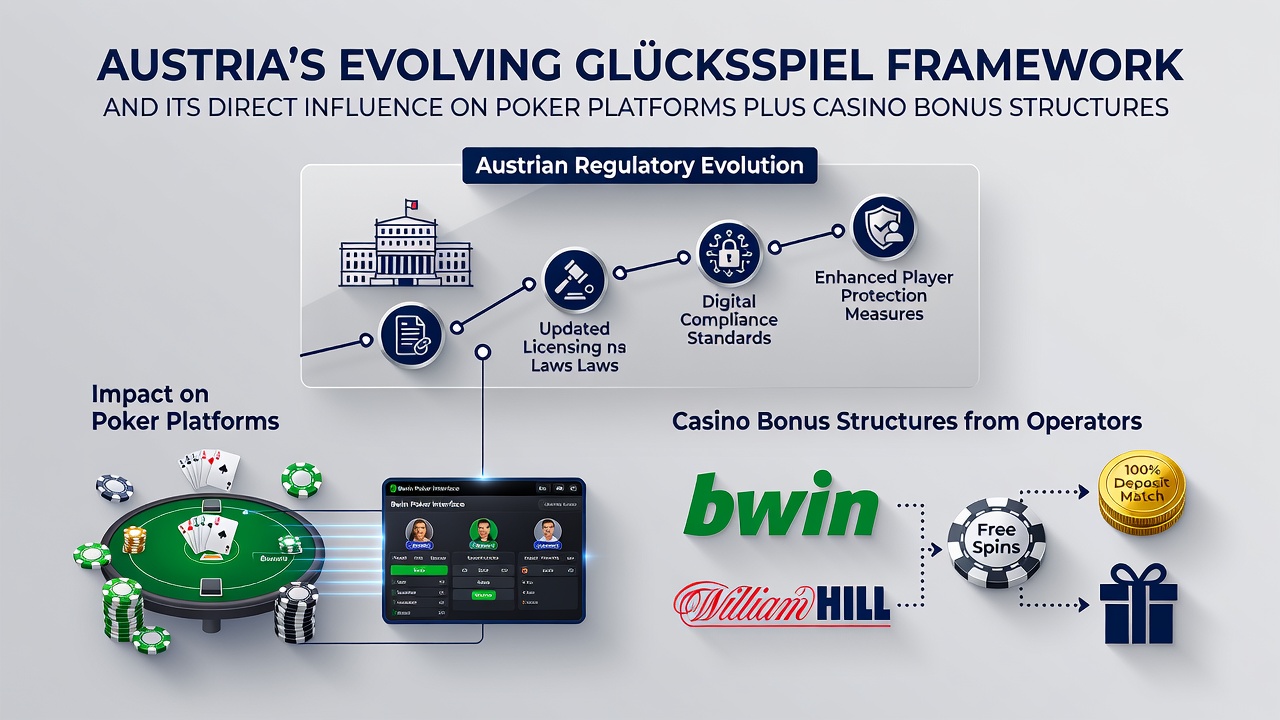
Austria's Evolving Glücksspiel Framework and Its Direct Influence on Poker Platforms Plus Casino Bonus Structures from Operators Like Bwin and William Hill
Austria maintains a structured approach to its gambling regulations through the Glücksspielgesetz, which has undergone several amendments since its original enactment in 1989, and data from the Austrian Federal Ministry of Finance shows ongoing adjustments to licensing requirements and market oversight as of August 2026. These changes directly shape how poker platforms operate within the country while also dictating the types of promotional offers that international operators can extend to Austrian players. Observers note that the framework emphasizes player protection measures alongside controlled market access, which creates specific parameters for both land-based and online activities.
The core legislation assigns exclusive rights for certain games to state-licensed entities, yet it permits limited concessions for private operators in areas such as sports betting and some casino games, according to official records from the ministry. Poker falls under this regulated environment, requiring platforms to secure appropriate authorizations before offering real-money games to residents. Those who've followed regulatory updates know that unlicensed operations face strict enforcement actions, including site blocks and financial penalties, which has pushed many providers toward compliance strategies.
Key Developments in Licensing and Market Access
Amendments introduced over the past decade have refined the concession model, allowing a select number of operators to provide online poker and casino services under defined conditions. Research from the European Commission on national gambling policies indicates that Austria's system prioritizes territorial control, with operators needing to demonstrate adherence to local tax obligations and responsible gaming standards. This structure influences poker platforms by limiting the number of active sites while requiring robust age verification and transaction monitoring systems.
Operators must navigate a dual federal and state-level approval process in many cases, and figures from industry reports reveal that successful applicants often invest significant resources in compliance infrastructure. What's interesting is how these requirements filter the market, resulting in fewer but more established platforms serving Austrian users. Platforms that meet the criteria gain legal pathways to promote their services, whereas others encounter barriers that restrict direct marketing and payment processing options.
Influence on Poker Platform Operations
Poker sites operating in Austria must align with rules governing game integrity, random number generation, and dispute resolution mechanisms, which stems from the broader Glücksspiel framework. Data shows that licensed platforms typically integrate with national self-exclusion registries and impose deposit limits as standard features. This regulatory alignment affects platform design, as developers incorporate these tools to maintain their concessions rather than treating them as optional add-ons.
International poker networks face additional hurdles when targeting Austrian players, since cross-border offerings often require separate licensing agreements. One study revealed that operators who secure local partnerships tend to experience smoother integration with banking systems and reduced legal risks. Those who've studied this know that the emphasis on localized operations has led some global platforms to establish dedicated Austrian entities or collaborate with existing concession holders.
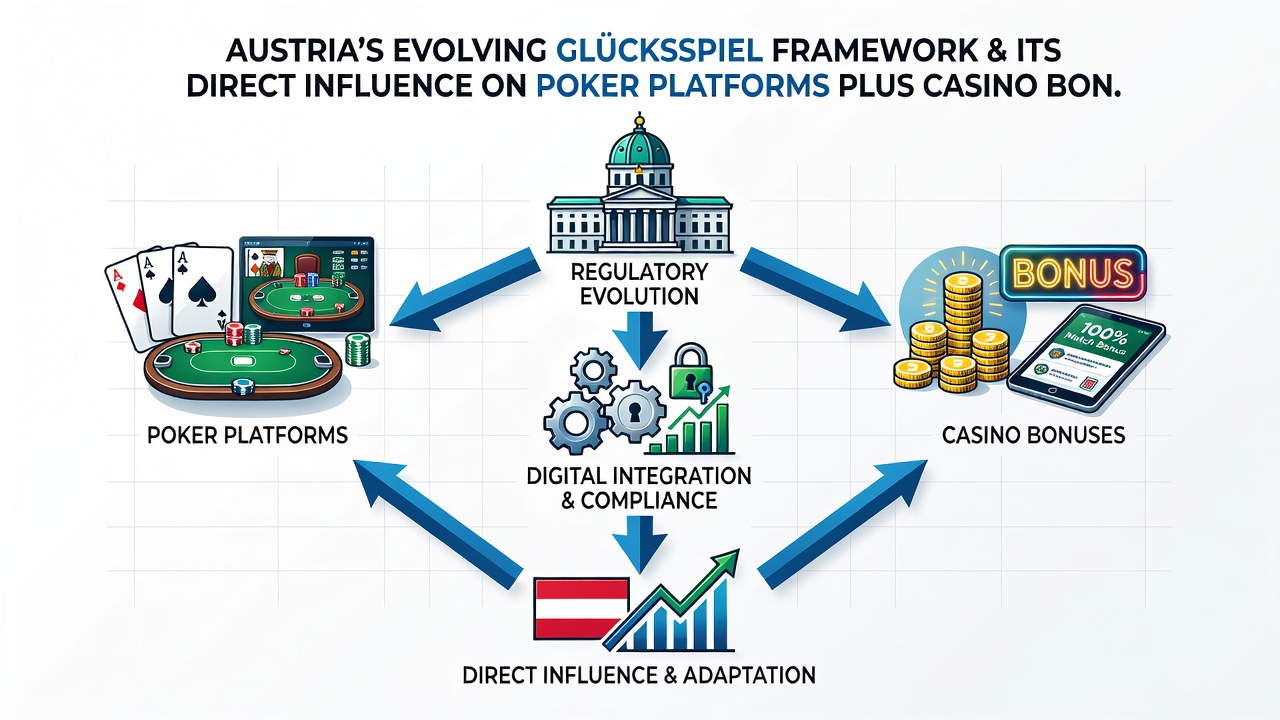
Effects on Casino Bonus Structures
Bonus promotions from operators such as Bwin and William Hill must comply with advertising restrictions embedded in the Glücksspielgesetz, which prohibits certain types of incentives that could encourage excessive play. According to analyses from the Canadian Centre on Substance Use and Addiction, such regulations often translate into caps on welcome bonuses, restrictions on free spins, and mandatory wagering requirements that protect consumer interests. Operators adjust their promotional calendars accordingly, focusing on loyalty programs and tournaments that fit within approved parameters rather than high-value sign-up offers.
William Hill, for instance, structures its Austrian-facing bonuses to emphasize deposit matches tied to verified accounts and time-limited play periods, while Bwin incorporates similar safeguards that align with local responsible gaming mandates. These adaptations reflect broader industry patterns where bonus structures evolve in response to enforcement priorities rather than purely commercial considerations. Evidence suggests that platforms maintaining transparency in their terms and conditions encounter fewer regulatory challenges in this environment.
Operator-Specific Adaptations and Market Trends
Major operators continue to refine their approaches as the framework matures, with updates noted around August 2026 highlighting increased scrutiny on bonus redemption processes and player fund segregation. Reports from the Australian Institute of Family Studies on international gambling trends show that companies like these often centralize compliance teams to monitor multiple jurisdictions simultaneously. This results in standardized bonus frameworks that incorporate Austrian-specific elements, such as mandatory cooling-off periods after large wins or losses.
The interplay between federal oversight and operator practices creates a dynamic where poker and casino offerings remain accessible yet constrained. People often find that licensed platforms provide clearer information on bonus eligibility compared to unregulated alternatives, which supports the regulatory goal of informed participation. Data indicates steady growth in monitored player activity within the legal market despite the structured limitations on promotions.
Conclusion
Austria's Glücksspiel framework continues to shape poker platforms and casino bonus structures through its licensing, advertising, and consumer protection rules, with operators like Bwin and William Hill adapting their models to remain compliant. As of August 2026, these influences manifest in more standardized offerings and enhanced verification protocols that balance market access with regulatory oversight. The system reflects ongoing efforts to maintain control over gambling activities while accommodating established international providers under defined conditions.